Signs of a Termite Infestation: What to Look for Around Your Home
Signs of a Termite Infestation: What to Look for Around Your Home
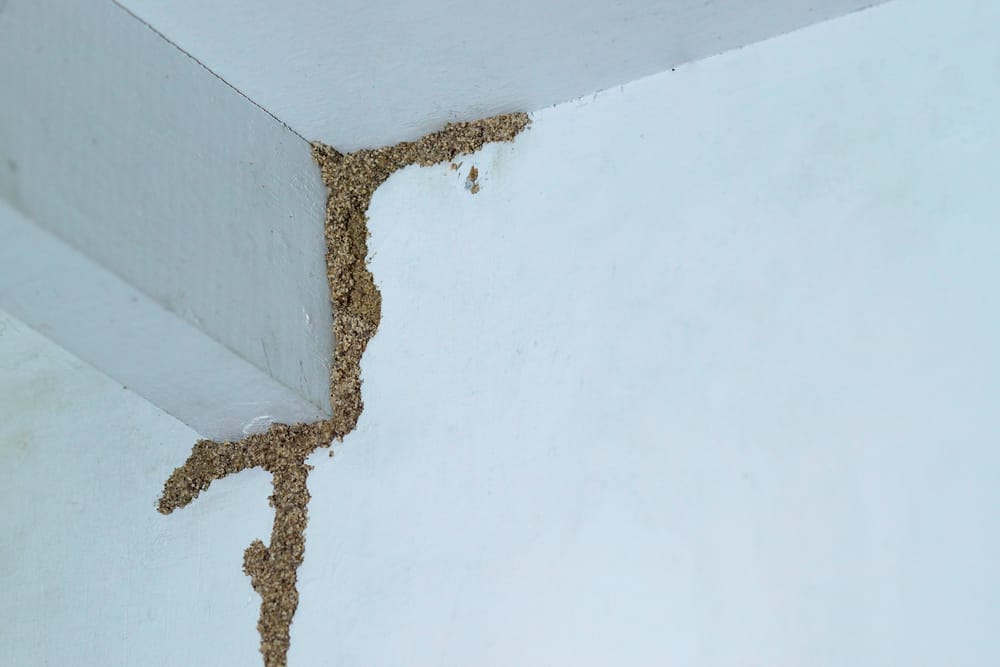
A narrow mud trail on the foundation. A few loose wings on the windowsill. Wood that looks fine on the outside but crumbles during a repair. These are some of the clues that can lead homeowners to discover termites.
For homeowners in Tyler, Texas, and surrounding East Texas communities, knowing what to look for can help you recognize a problem and have it checked. Termites often stay hidden, so you may notice evidence of their activity before you ever see the insects themselves.
1. Mud tubes along the foundation
Subterranean termites build sheltered passageways from soil and other materials to reach wood while staying protected. These mud tubes may run along foundation walls, crawl space supports, or areas where utilities enter a building.
Look for narrow, raised trails that seem out of place on the concrete or masonry. Some blend in with the surface, especially where landscaping hides the foundation.
If you find a suspected tube, take a clear photograph and leave it in place for an inspection. A tube is evidence worth checking, but its appearance alone does not tell you whether termites are still using it. Texas A&M AgriLife explains mud tubes and what to do when you find them.
2. Discarded wings or flying termites indoors
Winged termites, called swarmers, leave established colonies to reproduce. After swarming, they shed their wings. You may find loose wings near windows, doors, or indoor lights.
Indoor swarmers deserve attention because they can indicate an infestation in the structure. A swarm outside shows that termites are nearby, but it does not automatically mean your house is infested.
Flying ants can look similar at first glance. Termites have a broad waist, relatively straight antennae, and two pairs of wings that are roughly equal in length. Ants have a pinched waist, elbowed antennae, and front wings longer than their back wings. Save a few insects or wings in a closed container if you can, so someone can identify them. See the EPA's termite identification guide.
3. Hollow or damaged wood
Termites can feed inside wood while leaving part of the outer surface intact. Damage sometimes turns up when a homeowner replaces trim, repairs flooring, or opens a wall.
Wood that sounds unusually dull or hollow, breaks apart easily, or contains internal tunnels should be examined. Subterranean termite galleries often follow the wood grain and may contain soil or muddy material.
Wood decay can resemble termite damage, and old damage does not necessarily mean termites are currently active. An inspection helps identify the cause. If structural wood is affected, a qualified building professional may also need to evaluate its condition. Texas A&M describes subterranean termite damage and common signs.
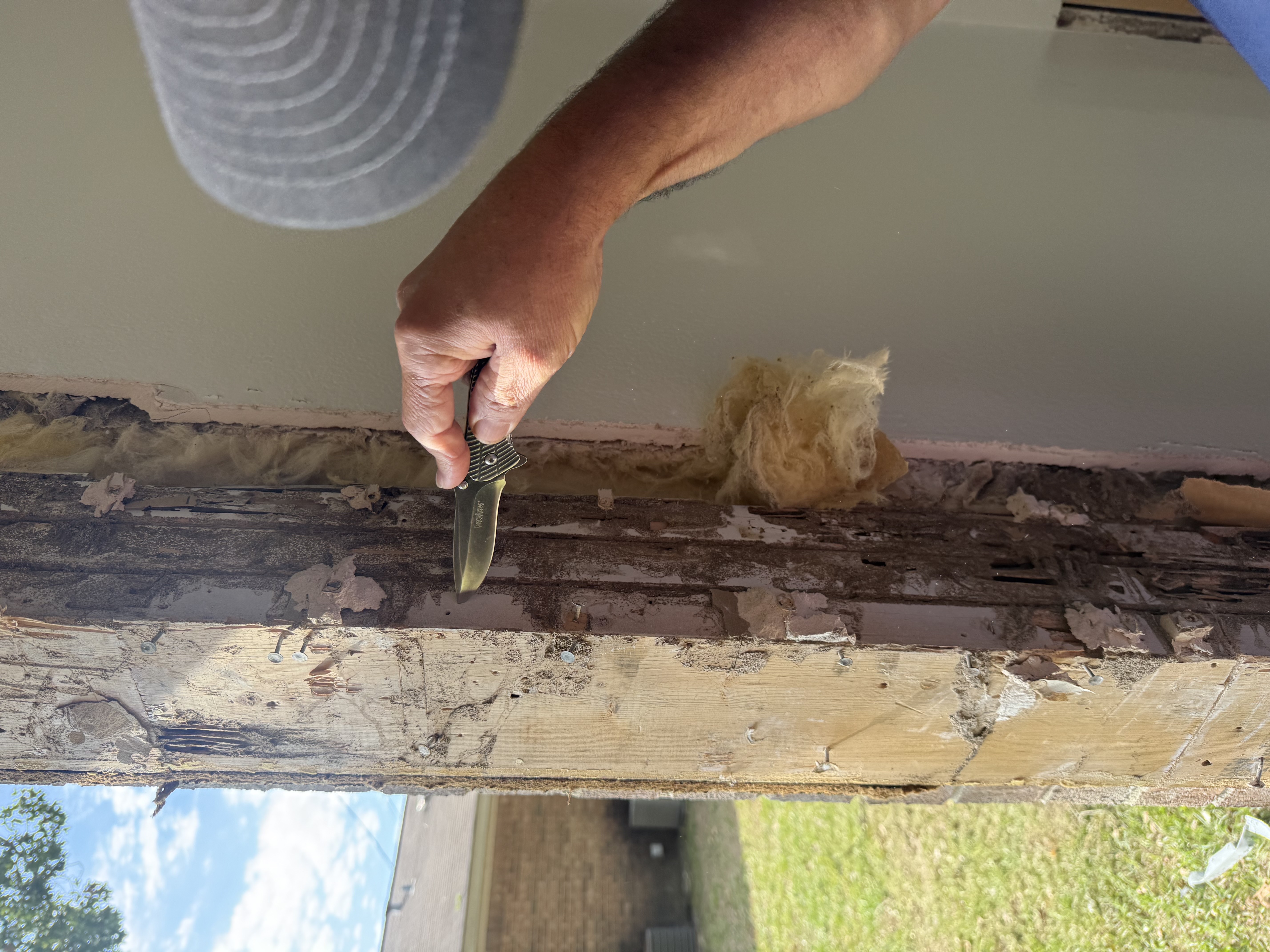
4. Live termites uncovered during repairs
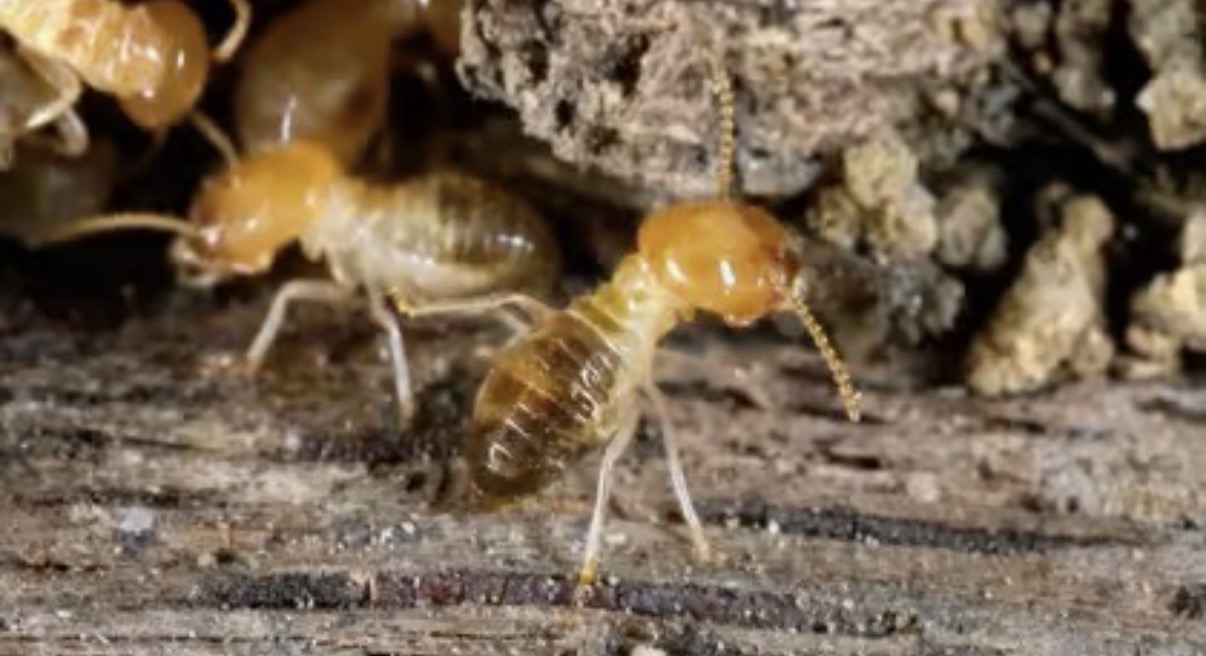
Small, creamy-colored insects inside damaged wood or sheltered mud passages may be termite workers. Unlike flying swarmers, workers usually remain out of sight.
If you uncover insects while working on the house, pause long enough to photograph them and note the location. Finding out what they are before covering the area back up can help guide the next step. Texas A&M explains the difference between termite workers and swarmers.
Can termites be active when you do not see swarms?
Yes. Swarming is only one part of a termite colony's life. Subterranean termite workers can be present year-round, including in protected areas where you would never notice them.
A quiet windowsill does not tell you what is happening inside wood or below ground. Mud tubes, suspicious damage, and other evidence deserve attention even after the flying termites are gone.
What should you do if you notice a sign?
Take photos. Include a close view and a wider view showing the location.
Preserve the evidence. Leave suspected tubes and damaged material available for inspection when practical.
Arrange a professional evaluation. Identification helps determine whether treatment is needed and what approach fits the property.
Address moisture and wood contact. Repair leaks, keep drainage moving away from the foundation, and store firewood away from the house. These steps reduce favorable conditions but do not eliminate an established colony.
A visual inspection can reveal useful clues, but concealed areas may limit what can be seen. No visible signs does not always mean no termites. The EPA's prevention guidance offers additional maintenance tips.
Have something you would like us to check?
You do not need to identify the termite species yourself before asking for help. Redi Pest Control is a locally owned, family-operated East Texas business offering termite inspections and treatments. We can examine the evidence, explain what we find, and discuss appropriate next steps.
If you are in Tyler or a nearby East Texas community, call 903-866-REDI or visit Redi Pest Control to ask about a termite inspection.
Got something bugging you? We are REDI to help.